



Neighborhood House has been serving the Seattle community since 1906. Over 120 years, we have changed our name, moved our home, expanded our reach, and grown with the city around us. But one thread has run unbroken through it all: the leadership, dedication, and vision of women — women who saw a need and refused to look away.
This Women’s History Month, we want to honor some of the women who shaped this organization. From the founders who started it all in 1906, to the leaders guiding us today.
From the Beginning: The Seattle Section, Council of Jewish Women
Est. 1906 | Founders of Settlement House
Neighborhood House did not begin with a government grant or a strategic plan. It began with a group of women who decided that the immigrants arriving in their neighborhood (poor, exhausted, and navigating a new country without the language or resources to find their footing) deserved better than to struggle alone.
In April of 1906, the Committee on Philanthropy of the Seattle Section, Council of Jewish Women rented the lower floor of a house on the corner of 12th Avenue and Washington Street. They called it Settlement House. It was Seattle’s first settlement house, where educated volunteers lived and worked alongside the people they served.
In its earliest years, Settlement House offered sewing classes for thirty girls, Americanization and English classes for adults, a library, a free reading room, and free public baths (the first in Seattle!) for immigrants whose homes had no running hot water. Within a year, it had outgrown its first home.
These women were not simply volunteers. They were advocates, administrators, and social architects. They petitioned the Seattle Public Library to open a branch at Settlement House. They organized Juvenile Court visits. They ran medical and dental clinics that served thousands of children and adults when no other affordable care was available. When the Depression gutted their budget, they kept the doors open. When World War II scattered their staff and transformed their neighborhood overnight, they reorganized and served.
For four decades, the Council of Jewish Women sustained what would become Neighborhood House. Their founding belief: all people deserve a place to belong, learn, and be supported, remains the foundation of everything we do.
Hannah Schwartz, The “Beloved House Mother”
Resident Director, 1908–1922
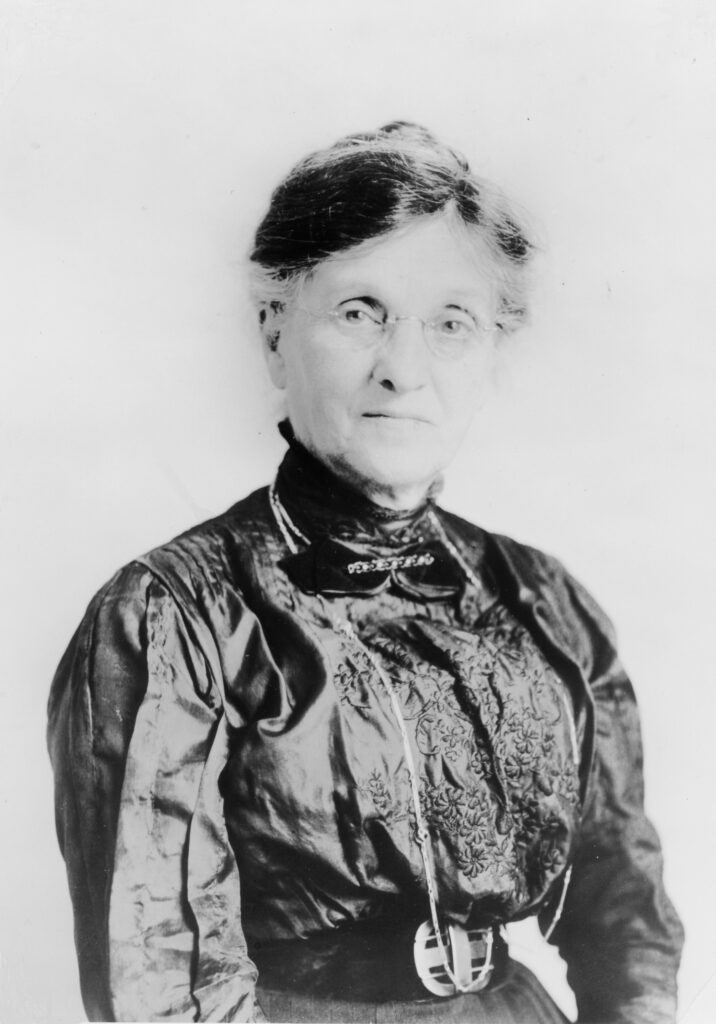
In 1908, the Council of Jewish Women asked Hannah Schwartz to come from San Francisco to Seattle to become the resident worker at Settlement House. She would not only run programs, but live there, in the tradition of the national settlement house movement.
She stayed for fourteen years.
Mrs. Schwartz was the first paid staff member in the history of our organization. She was not a trained social worker by the standards of her time, but those who knew her said she was something rarer: someone who genuinely liked people, who was present at any hour of day or night, and who had the gift of making every family feel that their needs were her needs too.
Edna Schwabacher, who served as President of the Board from 1918 to 1921 and knew Mrs. Schwartz well, remembered her this way: she was available at any hour, she genuinely cared for the people she served, and she was one of them.
Hannah Schwartz organized English and Americanization classes, coordinated the medical clinic, supervised the sewing and arts programs, and made Friendly Visits to the homes of immigrant families during times of sickness, grief, and celebration. When she retired in 1922, a generation of Seattle immigrants mourned a beloved friend. When she died in 1936, the Council of Jewish Women established a memorial fund in her honor.
“When my father used to refer to it, he never called it Educational Center, he’d always just call it Mrs. Schwartz. She was the social worker there. We’re going to Mrs. Schwartz, he’d say.”
— Daisy Israel, April 7, 2005
Her approach — going to people, meeting them where they are, making them feel seen — echoes in the outreach work Neighborhood House staff do today.
Edna Schwabacher, A Thirty-Year Commitment
Board President, 1918–1921 | Board Member, 30+ years
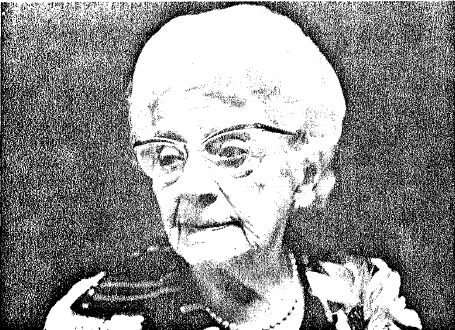
Edna Schwabacher was present at the very beginning of Settlement House. Over the next three decades, she served as Board President, devoted years to the Vocational Scholarship Committee, and remained one of the organization’s most consistent champions.
The Vocational Scholarship Program, which she helped sustain, was one of Neighborhood House’s most transformative early initiatives.
Beginning in 1922, scholarships were given not as loans but as gifts, to students who would otherwise have had to leave school to support their families. Many scholarship recipients later returned their awards voluntarily so that others could receive the same help. The program helped young people from the Yesler neighborhood attend the University of Washington to study chemistry, law, and engineering.
When interviewed at the age of 98, Edna Schwabacher still remembered the people and the work with remarkable clarity. Her decades of service are a reminder that lasting change is built not by moments of inspiration alone, but by people who show up every day.
Shirley Wilcox, The President Who Saved Neighborhood House
Board President, 1954–1957 | Incorporating President, 1956
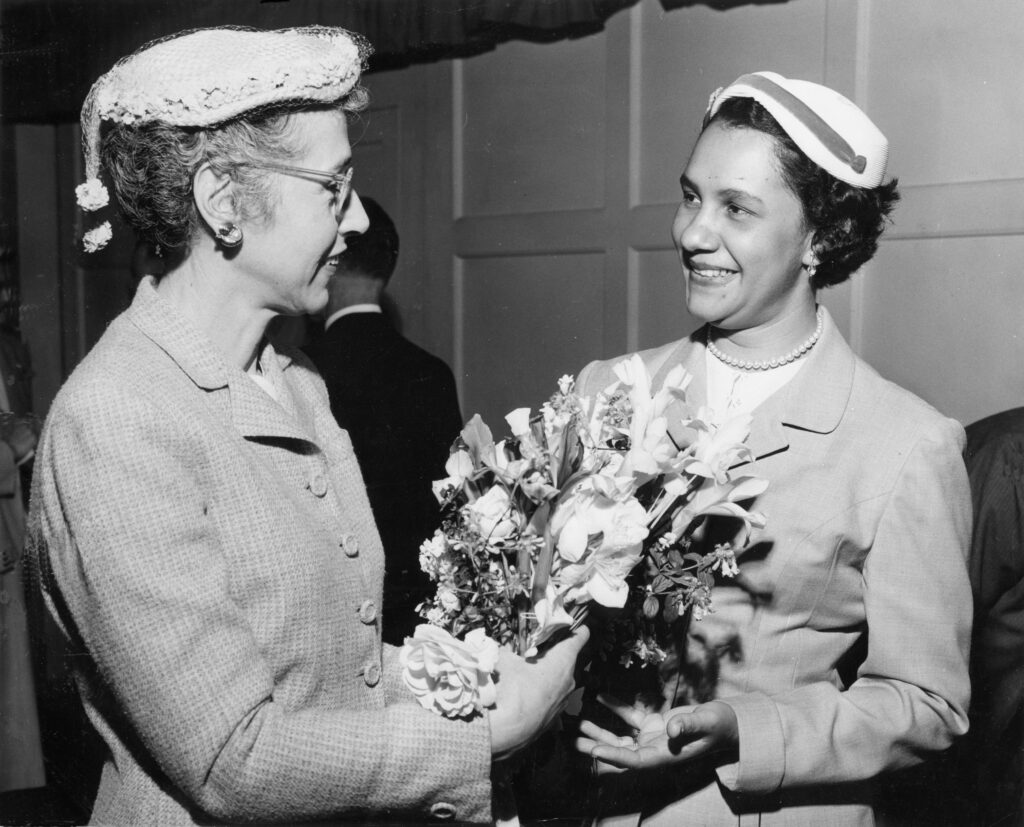
Shirley Wilcox came to Neighborhood House first as a volunteer, leading a Senior Girl Scout troop. She joined the Board of Directors in 1949. By 1954, she had become President — the first Black president in Neighborhood House history and the first non-Council of Jewish Women president.
Her timing was remarkable, and her resolve was tested immediately.
When the Council of Jewish Women decided to sell the organization’s building — the home Neighborhood House had occupied since 1916 —
to a commercial buyer rather than transfer it to the agency, the future of Neighborhood House was suddenly uncertain. Staff morale collapsed. Some staff resigned. The organization had no building, no executive director, and a neighborhood that still needed it.
Shirley Wilcox called her board together. She recruited James White as executive director by simply knocking on his apartment door upstairs. She worked with a fellow board member at the Seattle Housing Authority to secure space at Yesler Terrace. On August 21, 1956, she signed the articles of incorporation as Neighborhood House became an independent nonprofit.
The move to Yesler Terrace was not a retreat. It was a transformation. For the first time, a social service agency had embedded itself inside a public housing community, offering a full spectrum of services to residents who needed them most. That model became a national example.
Shirley went on to found Central Area Mental Health, teach kindergarten in Seattle Public Schools for twenty years, and remain a champion of social justice throughout her life. Last fall, Neighborhood House honored Shirley and her husband Louis by renaming our Rainier Vista location The Wilcox Center.
In her own words: “The needs of people are just as urgent today, and there will always be new people waiting for guidance and help. It is reaffirming to see that Neighborhood House has kept up with its historical mission.”
Janice Deguchi, Executive Director
Executive Director, 2019 – Present
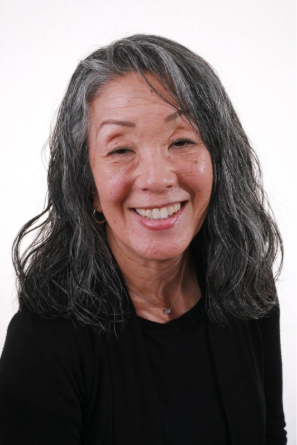
Janice Deguchi grew up in King County, the daughter of immigrants, in the same city Neighborhood House has served for over a century. Long before she became its Executive Director, she understood what it means to need a community that shows up for you. That understanding has shaped more than 25 years of work in nonprofits, across early learning, vocational training, youth mentorship, and senior care.
She joined Neighborhood House as Executive Director in September 2019. Since then, the organization has expanded early learning, launched new behavioral health programs designed specifically for communities that have long gone underserved, advocated for rent stabilization and equitable wages, and deepened its commitment to becoming an anti-racist organization.
When COVID hit, Neighborhood House helped distribute vaccines, put tablets in the hands of families navigating remote school, and kept services running for people who had nowhere else to turn.
The work does not stop when she leaves the building. Janice serves on multiple boards and committees, volunteers her time in the community, and remains a tireless advocate for the causes this organization was built to serve. She carries that work the way the founders did: as something urgent, and shared, and worth everything.
Cheryl Berenson, Vice Board President
Present Day

Cheryl Berenson grew up in Camas, Washington, and built a career at the intersection of nursing, public health, and community advocacy. She holds degrees from the University of Washington, the University of Utah, and OHSU, where she studied health disparities and primary health care. For years in the late 1980s and 1990s, she served as the Seattle-King County Refugee Health Nurse Practitioner, providing care to newly arrived refugees at a time when Seattle’s refugee community was growing and the support systems around it were still being built.
That work never really stopped. Through the National Council of Jewish Women, she has been a steady advocate for immigrant and refugee rights, supporting families navigating one of the hardest transitions a person can make. It is worth noting that the Council of Jewish Women is the same organization that founded Neighborhood House in 1906 — that the thread from those founding women runs, in some form, all the way to Cheryl’s work today.
She has served on the Neighborhood House board for many years, returning to the work more than once, and now serves as Vice President. The commitment speaks for itself.
Fadumo Gutale, ParentChild+ Manager
Present Day
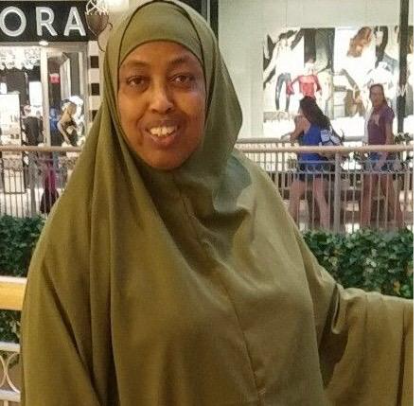
Fadumo Gutale came to the United States from Somalia 23 years ago and made her home in South Seattle, raising her children as a single mother. Before Neighborhood House, she worked as an assistant teacher at Seattle Public Schools, supporting Somali families as an interpreter and community liaison — showing up for families when something was wrong at school or at home, doing community work before anyone called it that. When a friend told her about a home visiting position at Neighborhood House, she made the move. That was 19 years ago.
She has grown with the same program her entire time here, from home visitor to coordinator to program manager.
Today she leads the Parent Child+ team, overseeing recruitment, enrollment, and program outcomes, working closely with national program funders, supporting supervisors and home visitors, and making sure the program delivers for the families it serves. Parent Child+ sends trained specialists into the homes of families with young children twice a week, building language, school readiness, and the parent-child bond during the years that shape everything.
The families Fadumo serves face poverty, language barriers, and the particular weight of navigating a country that does not always make things easy. She knows that weight firsthand, and the community knows they can count on her. “Doesn’t matter the language,” she says, “tell me what you need and I will help.”
After 19 years, Fadumo is still here, still showing up for families the way she always has, still building something that lasts. That is what Women’s History Month looks like in practice: not just the women who founded something, but the women who stay, who grow, and who carry the work forward every single day.
The Thread That Connects Them
What connects a group of volunteers in 1906 to a staff member serving our community today? Not just an organization, but a belief: that every person deserves a place where they are welcomed, supported, and treated with dignity.
The women in this post come from different backgrounds and different eras. But they share that belief — and they have each, in their own way, chosen to act on it.
Neighborhood House exists today because of them. And it will continue to exist — and grow — because of the women and men who carry that belief forward into the next 120 years.
Learn more about our history at nhwa.org/about-us/history.