



Proposed federal changes to Head Start will weaken the standards that help children learn, families thrive, and communities grow stronger. At Neighborhood House, we see the impact of those standards every day.
Head Start is more than preschool. It is a comprehensive early learning program that has supported children’s development, family well-being, health, and school readiness for 60 years. Through highly trained educators, family engagement, developmental screenings, health services, and individualized support, Head Start helps ensure that children and families have the tools they need to succeed.
The proposed federal changes would eliminate or significantly weaken many of the standards that have made Head Start successful for generations. These standards help ensure children receive high-quality early learning, developmental support, health services, and strong family engagement. When those expectations are reduced, the program becomes something fundamentally different. Families don’t benefit from Head Start simply because it provides care. They benefit because it provides comprehensive support designed around the needs of the whole child and the whole family.
For many families, those services make a life-changing difference. Behind every policy discussion are real children, caregivers, and educators whose lives have been positively impacted by the quality standards that make Head Start what it is today.
Head Start Builds Trust and Confidence
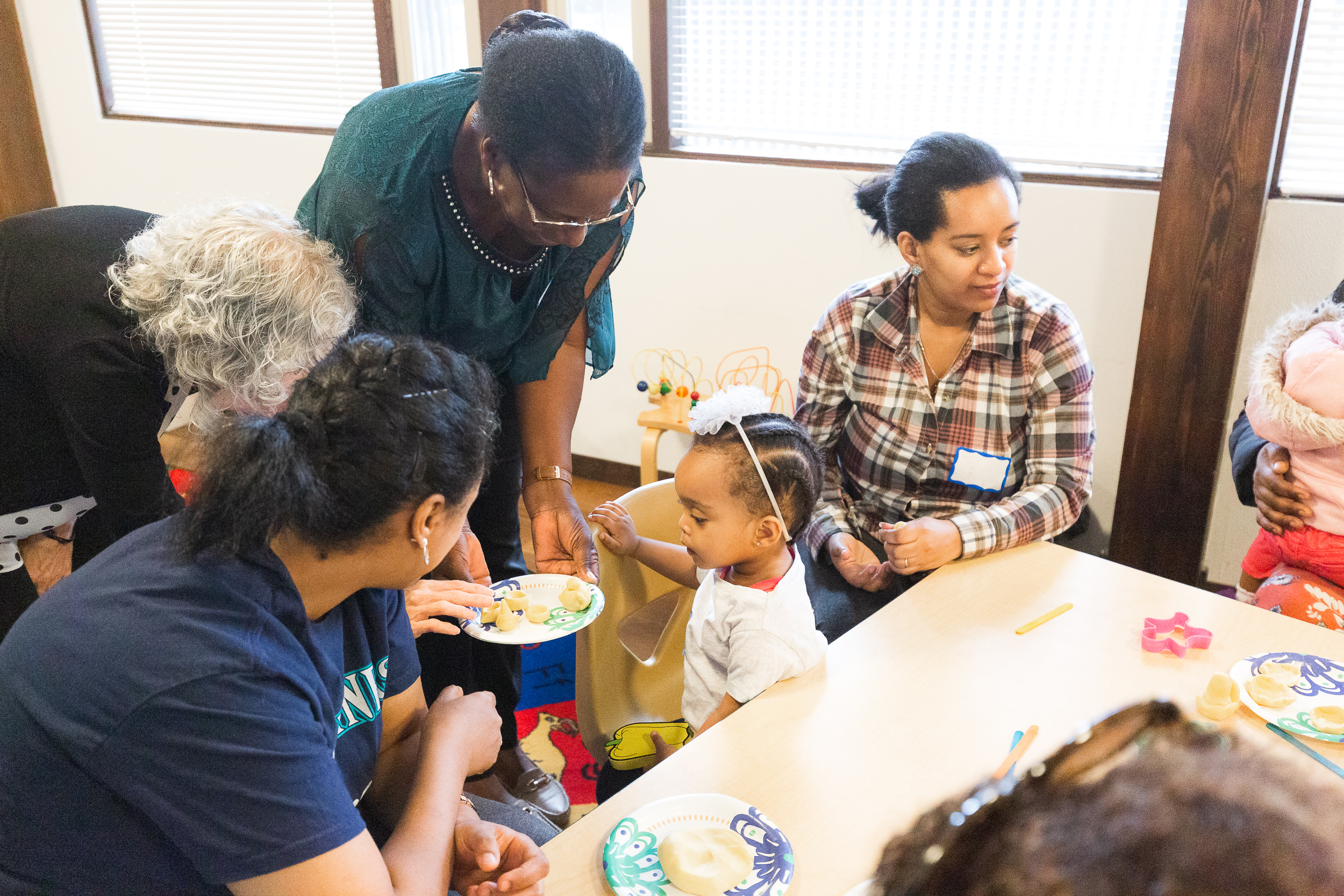
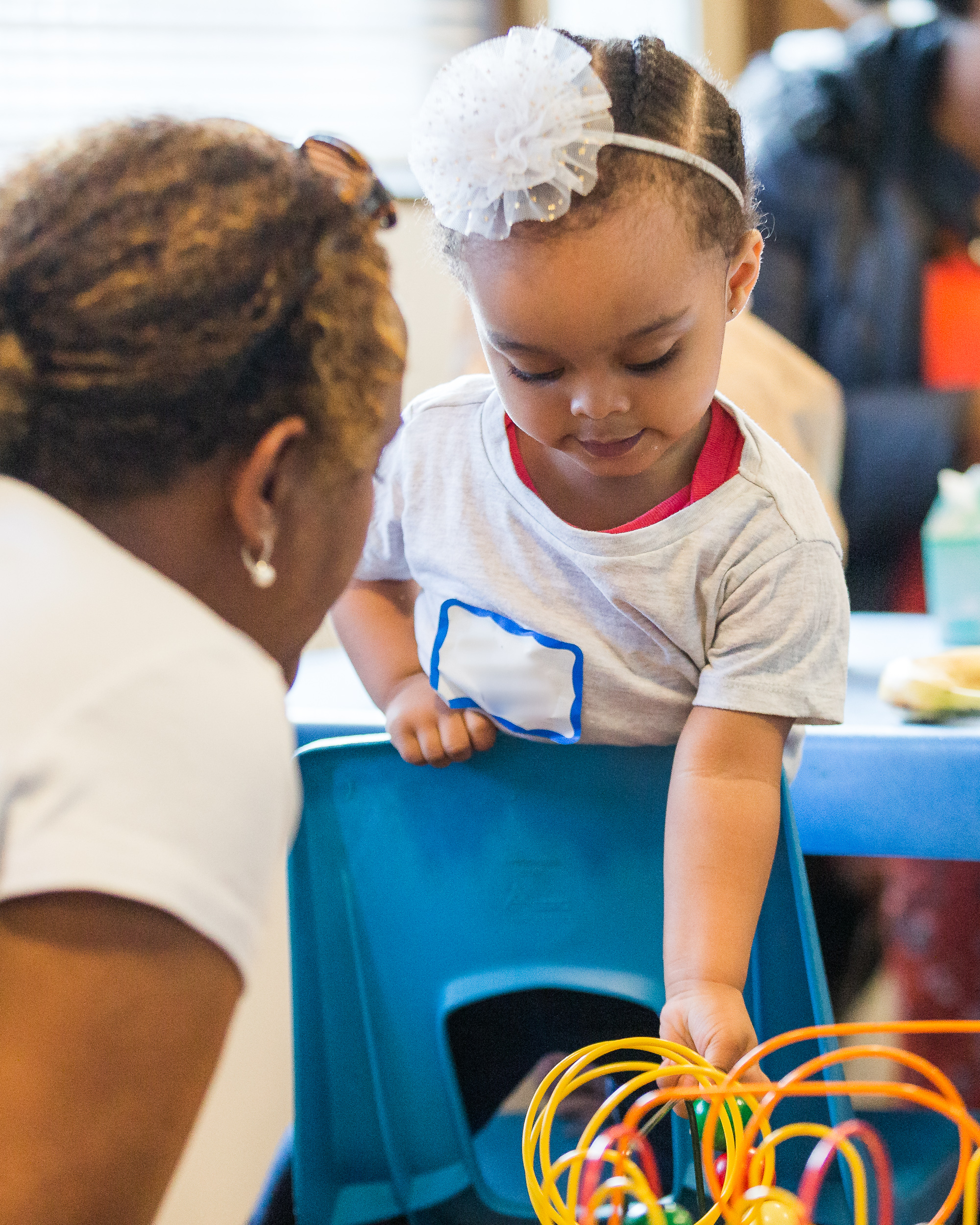
When one Neighborhood House family began searching for an early learning program for a young child in their care, they knew the decision would not be easy. The child had experienced significant challenges early in life and had never spent meaningful time away from her caregivers.
The family visited more than 20 programs throughout the region looking for a place where they felt comfortable leaving her for the first time.
What stood out at Neighborhood House wasn’t the building or the curriculum. It was the people.
Teachers took time to understand the child’s needs and helped her adjust at her own pace. When she struggled with nap time because she had never slept independently, staff patiently supported her transition and worked closely with the family every step of the way.
Looking back, the caregiver described the experience simply:
“They treated my baby like a mother would.”
A few months later, that same child was eagerly building friendships, forming strong relationships with trusted adults, and developing the confidence to explore the world around her.
For families, this kind of individualized care doesn’t happen by accident. It happens because Head Start sets high standards for teacher qualifications, family engagement, and child-centered support.
More Than Child Care: A Place to Learn and Grow
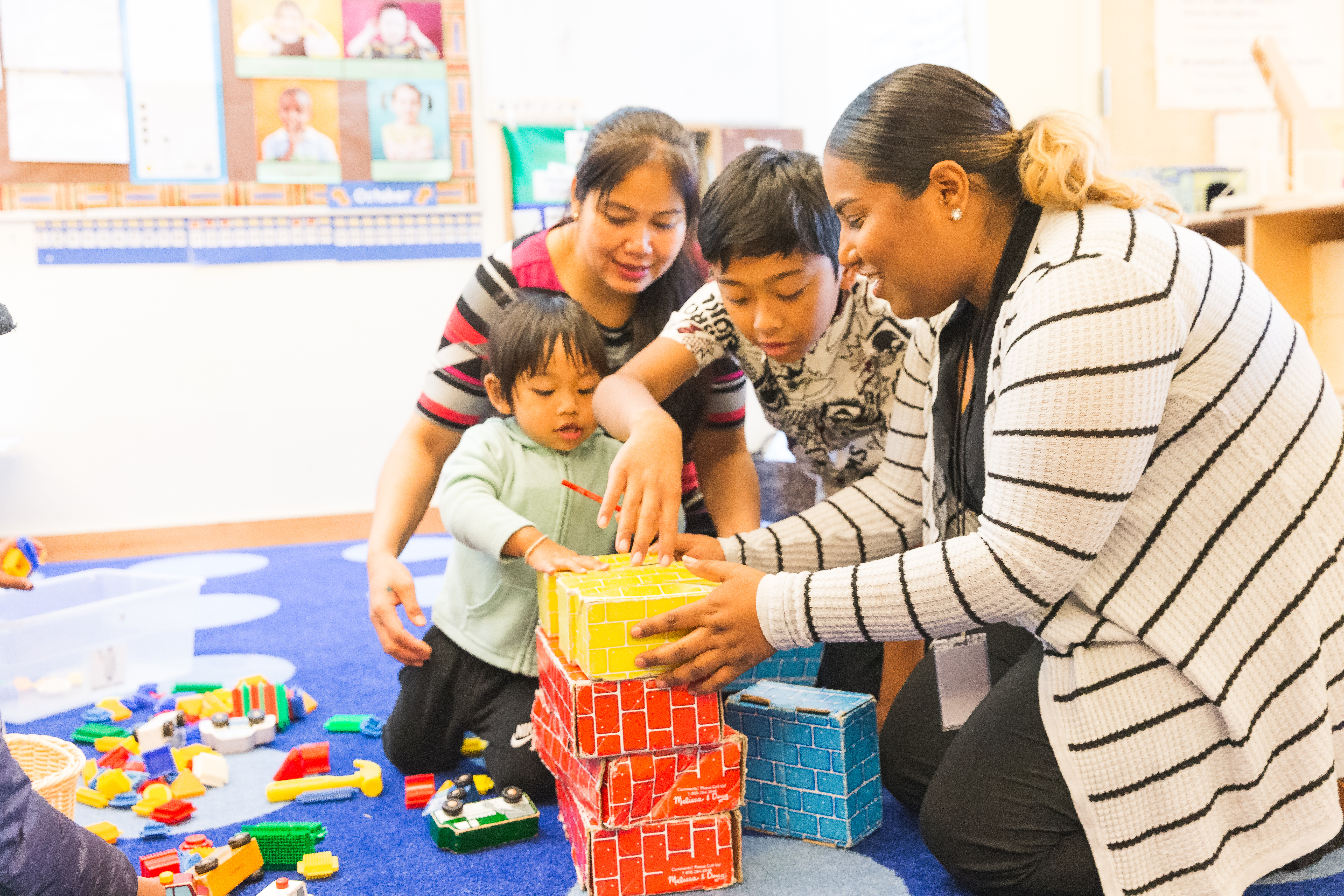
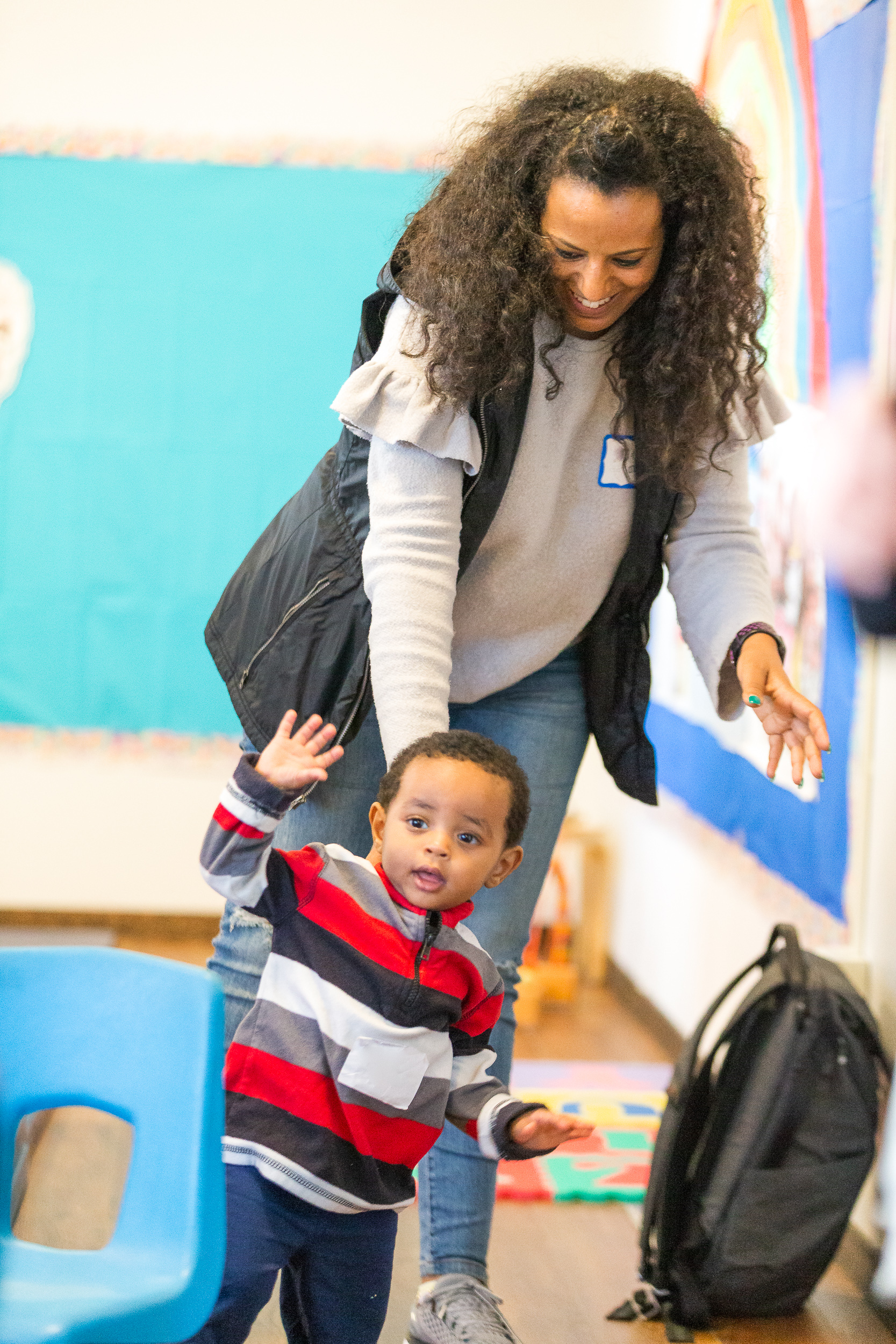
Another Neighborhood House caregiver saw firsthand how Head Start can help children reach important developmental milestones.
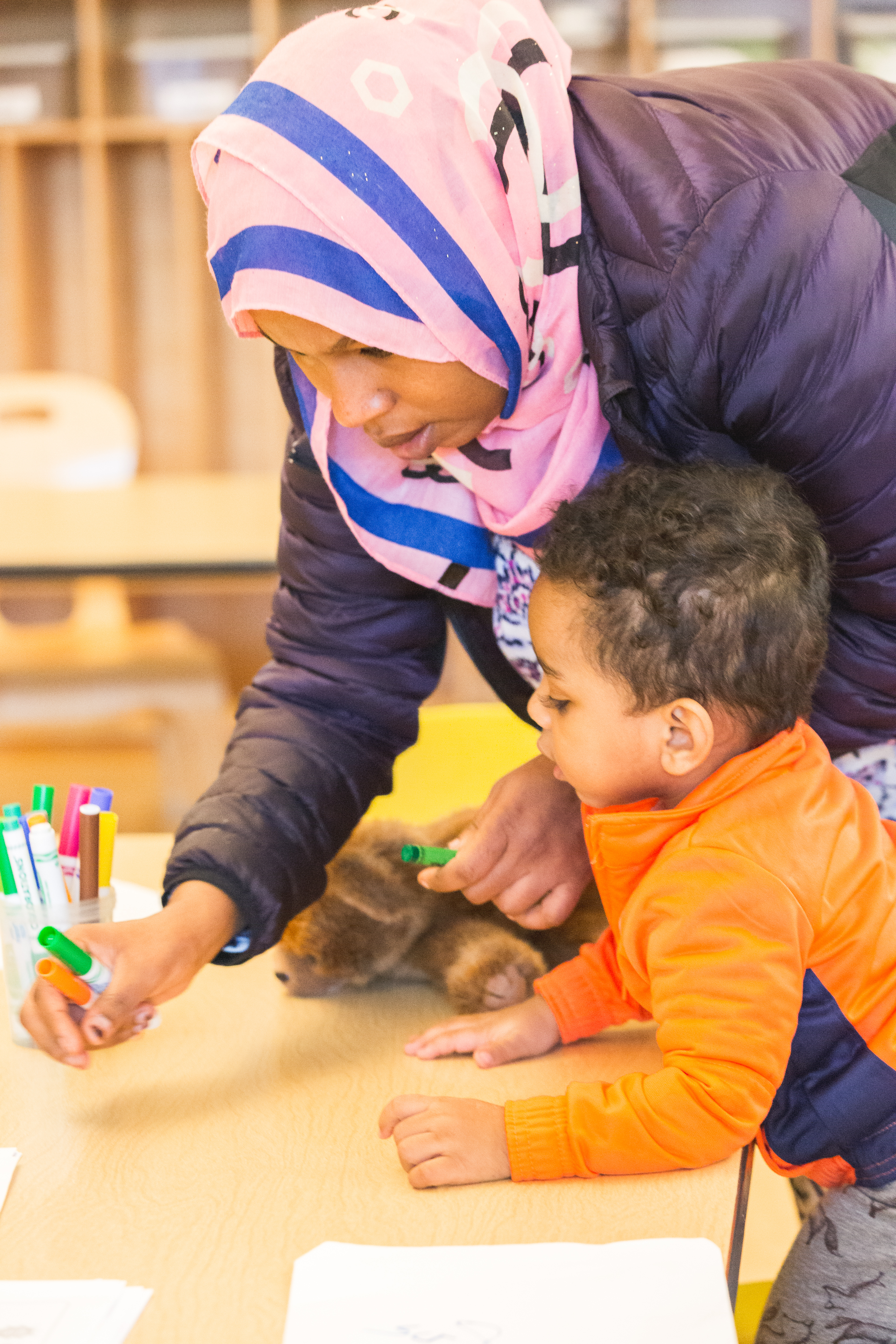
When his nephew first enrolled, he was struggling to communicate and was unable to speak in full sentences. Through home visits, classroom learning, and opportunities to interact with other children, that began to change.
“Prior to going to Neighborhood House, he was actually nonverbal. At least he couldn’t speak in sentences,” the caregiver said.
Today, after more than a year in the program, the child is speaking in sentences, socializing with peers, and preparing for kindergarten.
“Now he’s up and running and speaking in sentences, and he’s very sociable. I think the program itself played a huge role in developing him.”
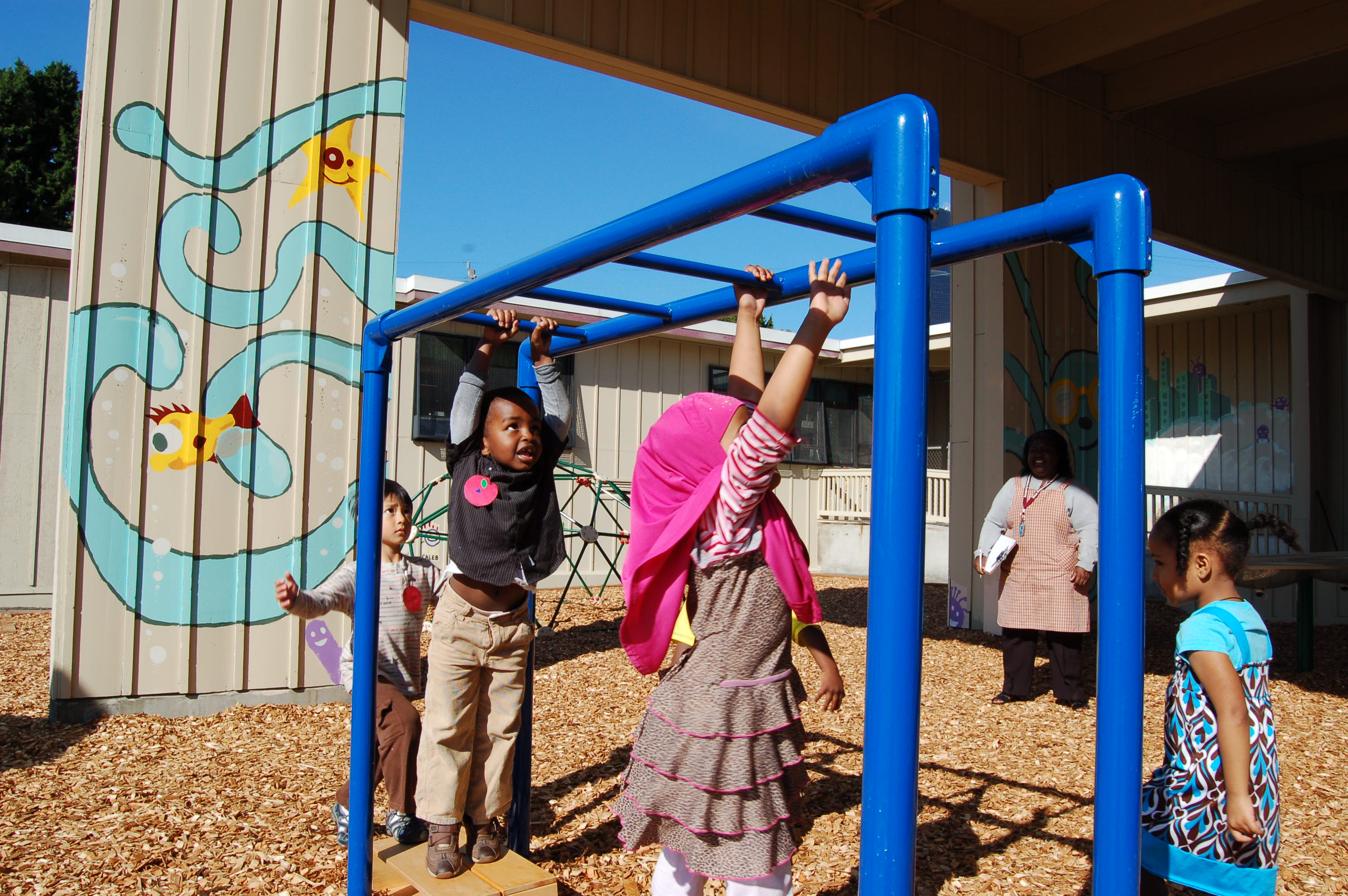
Head Start doesn’t just support children academically. It creates environments where children can build confidence, communication skills, friendships, and a strong foundation for lifelong learning.
The Hidden Benefit Many People Don’t See: Health Services
One of the most important parts of Head Start takes place outside the classroom.
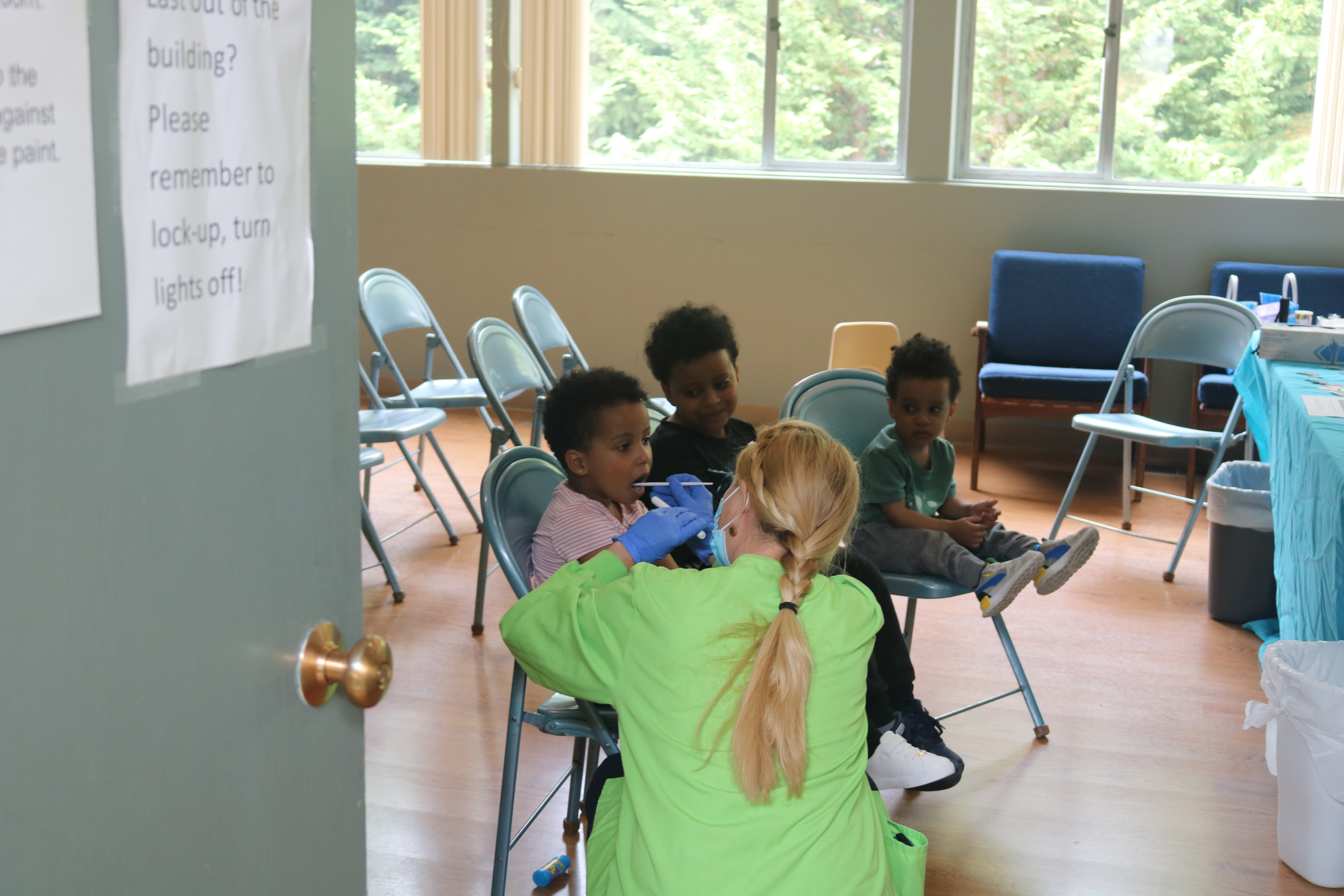
Through Head Start, children receive developmental, hearing, vision, and dental screenings that help identify concerns early and connect families with care.
Neighborhood House Community Health Nurse Liane R. sees these impacts every year.
“I’ve seen firsthand the positive impact that the health services give to families and the entire community.”
Head Start helps identify children who may need hearing treatment, glasses, dental care, or assistance accessing medical services. By connecting children and families with support early, programs can improve health outcomes and help prevent larger problems later.
The program also helps families understand and navigate their children’s health needs.
For children with conditions such as asthma, severe allergies, seizure disorders, or other health concerns, Head Start staff work alongside families to create Individual Health Plans. These plans ensure that parents, teachers, and support staff understand a child’s needs and can work together to keep them healthy and safe.
According to Liane, one of the greatest strengths of Head Start is that staff have the time and resources to build relationships with families and ensure they understand their children’s needs.
“We have the time and resources to give families what they need to thrive.”
Parents See the Difference
The impact of Head Start is reflected in stories shared by families every day.
One Neighborhood House parent recently shared how the program transformed their child’s development:
“The program has helped him strengthen his motor skills, communication, and overall confidence. Since starting the program, my son has made tremendous progress. He went from having difficulty communicating to being able to communicate much more effectively, which has made a significant difference in his daily life and our family.”
That progress is possible because Head Start addresses the whole child, not just academics. Through partnerships with families, individualized support, and comprehensive services, children receive the tools they need to succeed both inside and outside the classroom.
Why These Standards Matter
The stories above are not isolated examples. They are made possible by the standards that define Head Start programs across the country.
Those standards help ensure children and families have access to:
- High-quality early learning environments
- Developmental screenings and interventions
- Health, vision, hearing, and dental services
- Home visits and family engagement opportunities
- Child safety protections, including staff training on supervision and child abuse prevention
- School readiness and kindergarten transition support
- Parent leadership opportunities
- Comprehensive family support and referrals
These services work together to create stronger outcomes for children, families, and communities.
When standards are weakened, families lose access to the supports that help children thrive.
Take Action: Tell Decision Makers Why Head Start Matters
Federal leaders are currently considering changes that could affect Head Start programs nationwide.
If Head Start has touched your life, your family, your workplace, or your community, now is the time to speak up.
Share your story. Tell decision makers why high-quality early learning matters. Explain why family engagement, health services, developmental support, and strong program standards are essential.
The children and families served by Head Start deserve the same opportunities and support that generations of families have relied on for decades.
Make Your Voice Heard
Submit a public comment here or learn more:https://linktr.ee/NH_HeadStart
Every story matters.
Together, we can help protect the high-quality Head Start services that support children, strengthen families, and build healthier communities.