



For many young people at Neighborhood House’s High Point Center, the community garden isn’t just a place to grow vegetables. It’s a place to gather, learn, reflect, create, and connect.
Now in its second growing season, the garden project has become an important part of Neighborhood House’s youth programming at High Point. What began as an effort to revive neglected garden spaces has grown into a youth-led stewardship project that brings together teens, families, community partners, and neighbors.
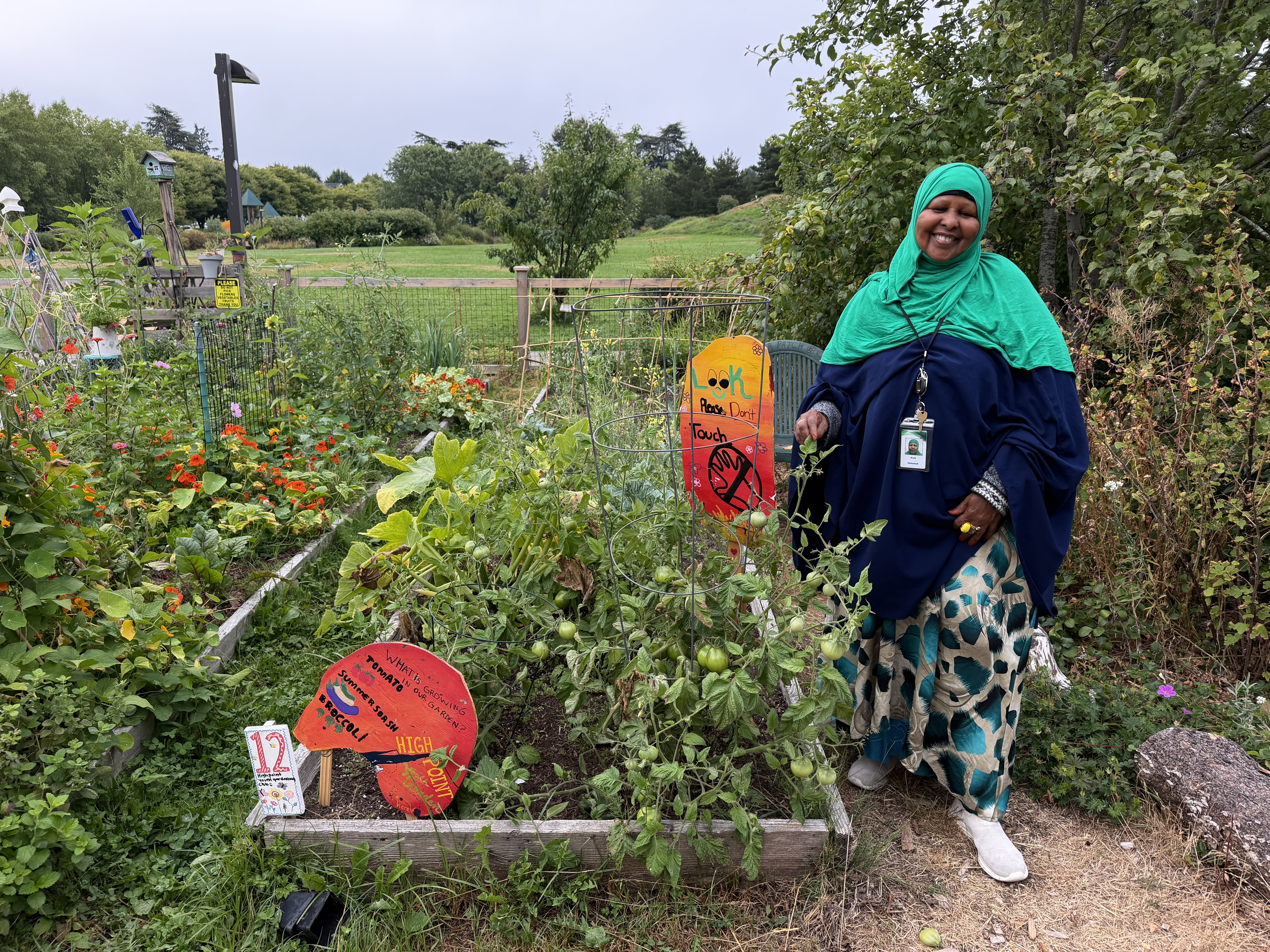
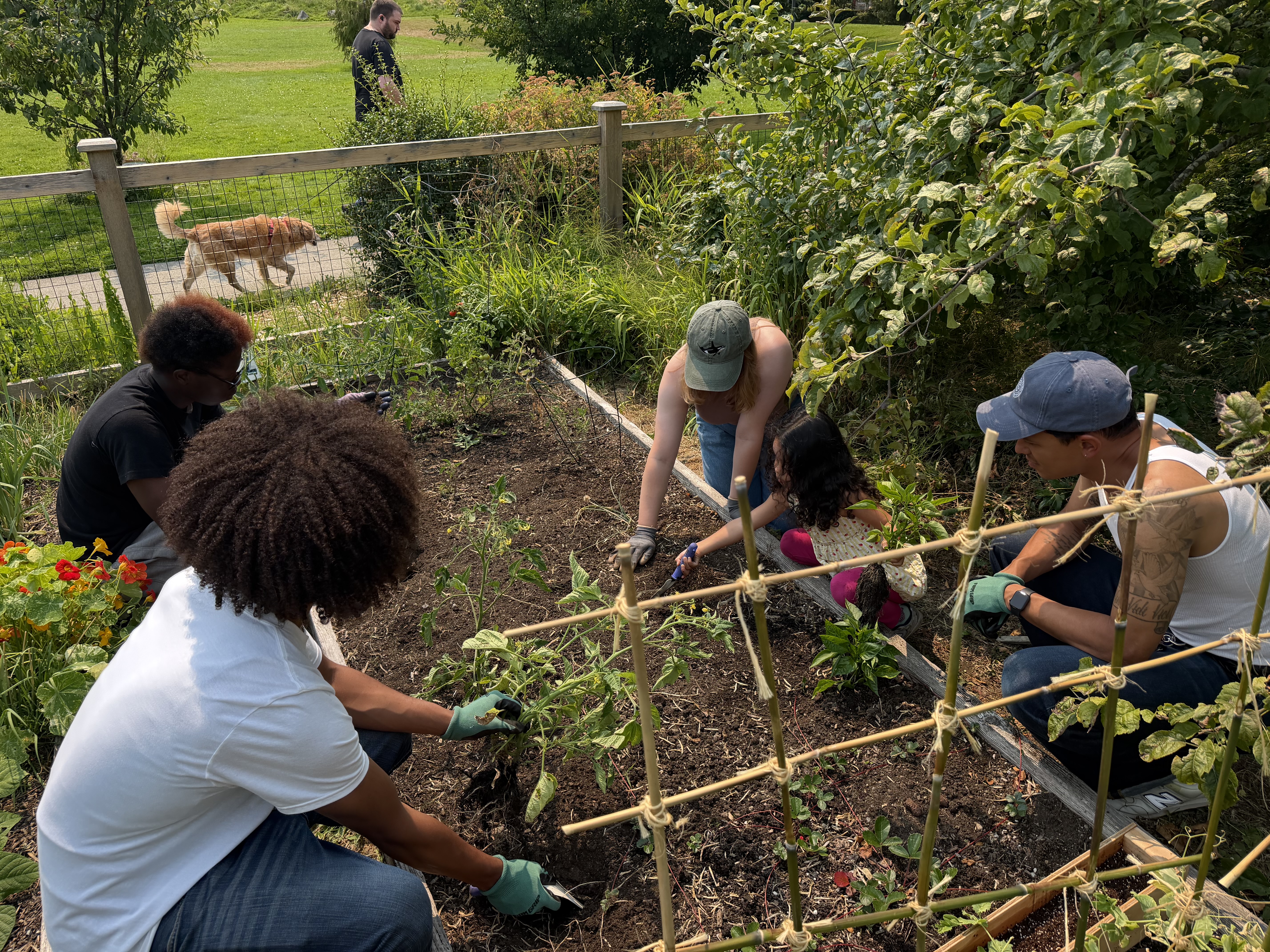
Located in Commons Park, the project includes one Neighborhood House youth plot within Seattle’s P-Patch community gardening program, along with five raised garden beds just outside the garden. Working alongside partners at the Delridge Neighborhood Development Association (DNDA), Neighborhood House youth have spent the past year revitalizing these spaces by planting vegetables and flowers, building improvements, creating art and signage, and maintaining the garden throughout the seasons.
For Youth and Family Engagement Coordinator Abbie, the project was inspired by a simple question: what message does it send when community spaces created by young people are left unused and overgrown? Several of the raised beds had been built by youth through a previous internship program but had fallen into disrepair. Reviving them became an opportunity to reconnect young people with a space they could help care for and shape.
That sense of care is central to the project’s philosophy.
Rather than focusing on ownership, the program emphasizes stewardship, encouraging young people to see themselves as caretakers of a shared community space. Through weeding, planting, watering, maintaining garden beds, and participating in community cleanups, teens learn that small acts of care can have a meaningful impact on the places they live.
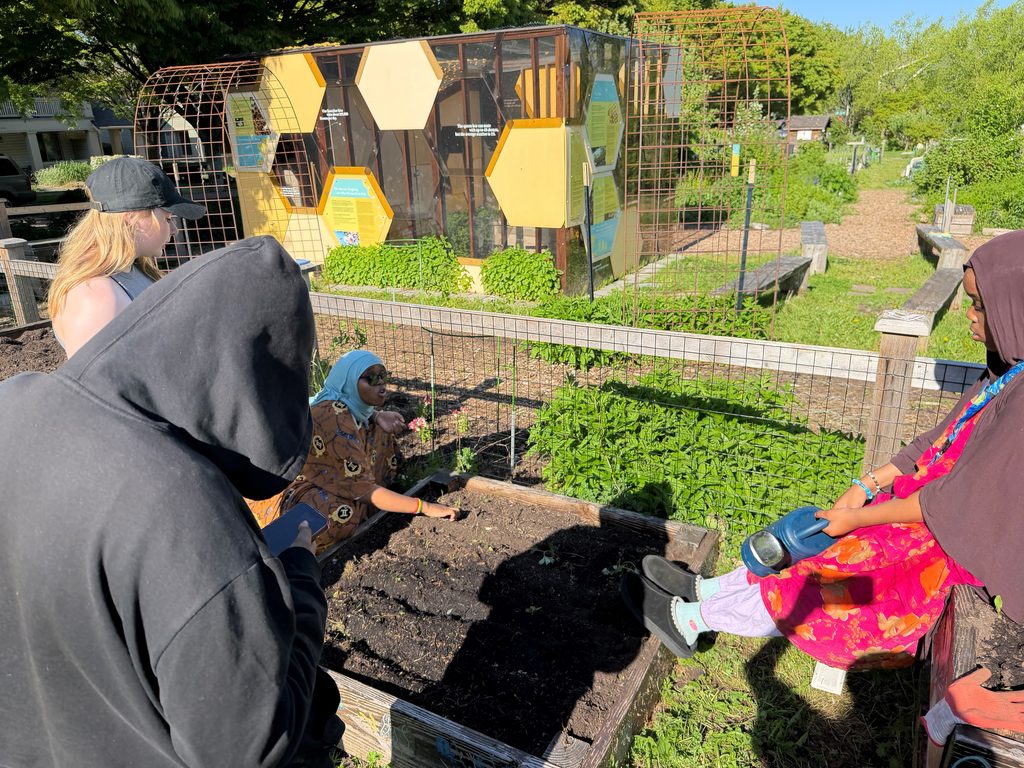
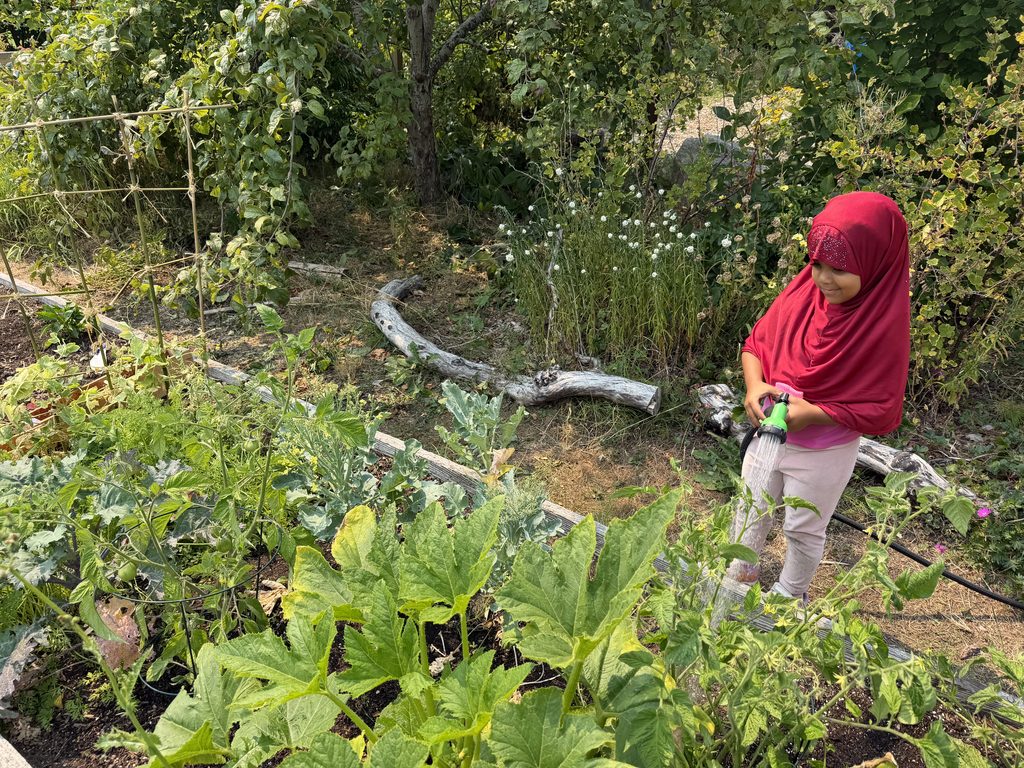
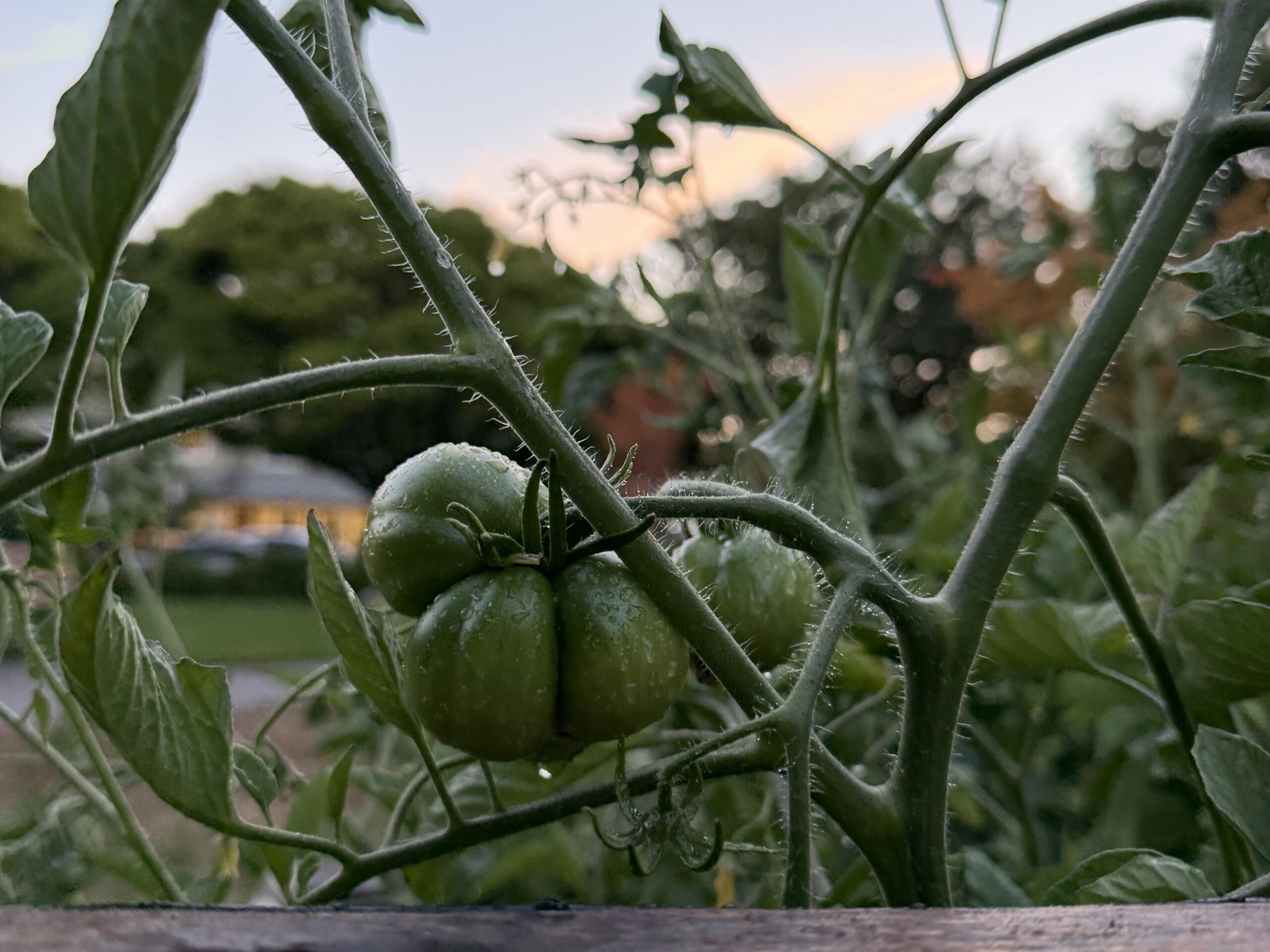
Throughout the growing season, youth have harvested squash, peppers, tomatoes, carrots, sunflowers, and other crops. Future plans include incorporating harvested produce into cooking activities, helping young people experience the full journey from seed to table. But the lessons extend far beyond gardening.
The garden offers opportunities for social and emotional learning as youth observe plants grow and change over time. Participants return to the space week after week, creating a natural environment for reflection, patience, and connection. Many have found the garden to be a calming and welcoming place, whether they’re tending vegetables, pulling weeds, or simply spending time outdoors with peers.
“It’s easy to look at a garden and see vegetables growing,” said Abbie. “But what we’re really building is a culture of being comfortable outside, connecting with one another, and appreciating the community spaces around us.”
The garden also serves as a gathering place for family nights and youth events. This past summer, participants created signage for the space, built a bamboo trellis to support climbing plants, and partnered with the West Seattle Food Bank for a bouquet-making event that brought community members together in a creative way. Neighborhood House has also partnered with City Fruit on environmental education activities, including planting companion plants and caring for local fruit trees.
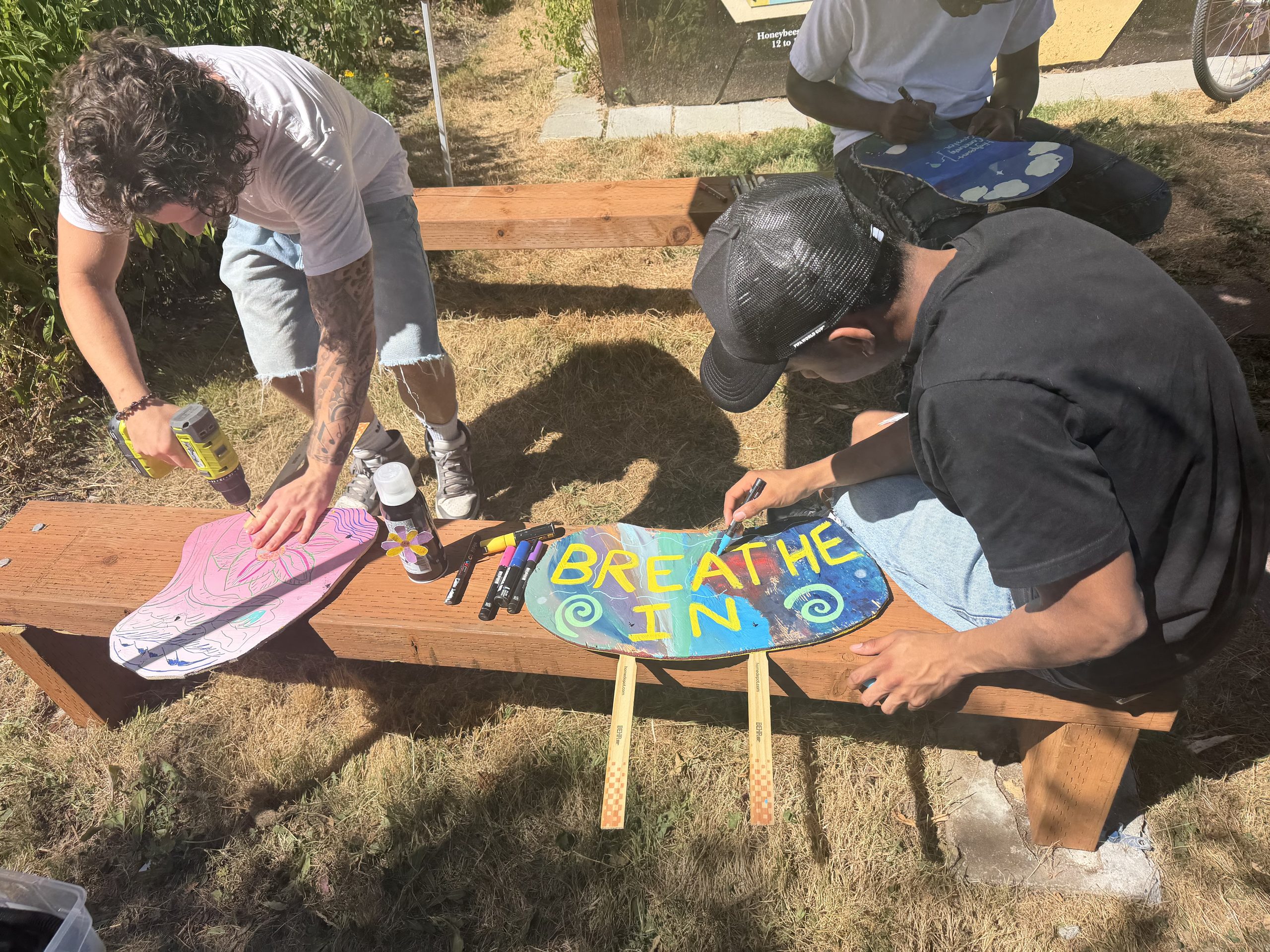
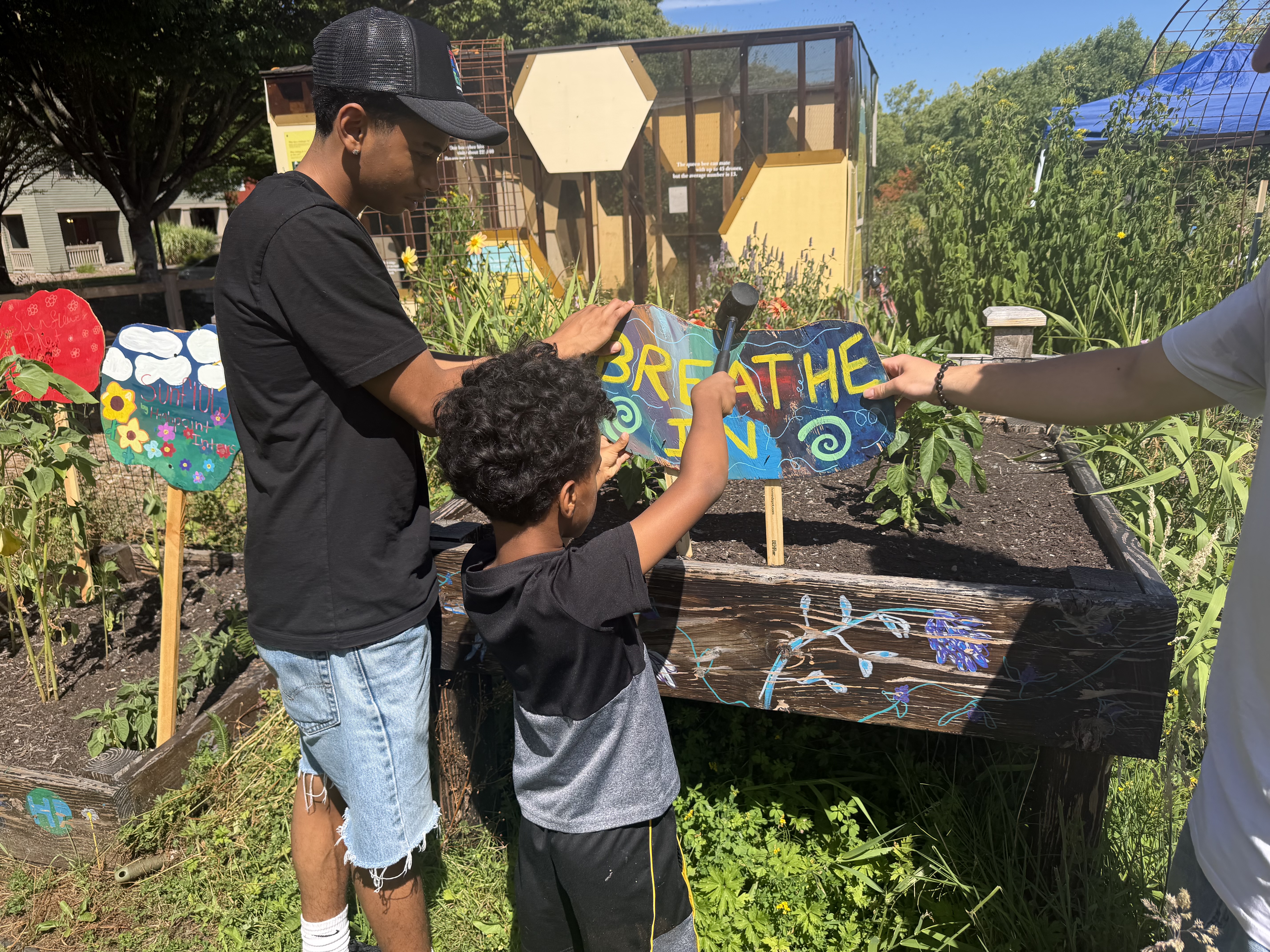
On a typical day, about six youth participate directly in garden activities, with additional families joining during special events and family programming. While the core stewardship work is often led by teens, the garden is designed to be a welcoming space for community members of all ages. As the seasons change, the work will continue. Youth will help prepare the garden for winter, care for the space throughout the year, and begin planning for next season’s growth.
And while vegetables and flowers are part of the harvest, they’re not the only things taking root.
Through patience, teamwork, stewardship, and connection, young people are helping cultivate something even more meaningful: a stronger sense of belonging to their community.
Interested in helping this program grow? Neighborhood House welcomes support for youth gardening and stewardship projects through donations and in-kind donations of seeds, starter plants, gardening supplies, as well as community partnerships. Learn more about our youth programs and how you can get involved.